


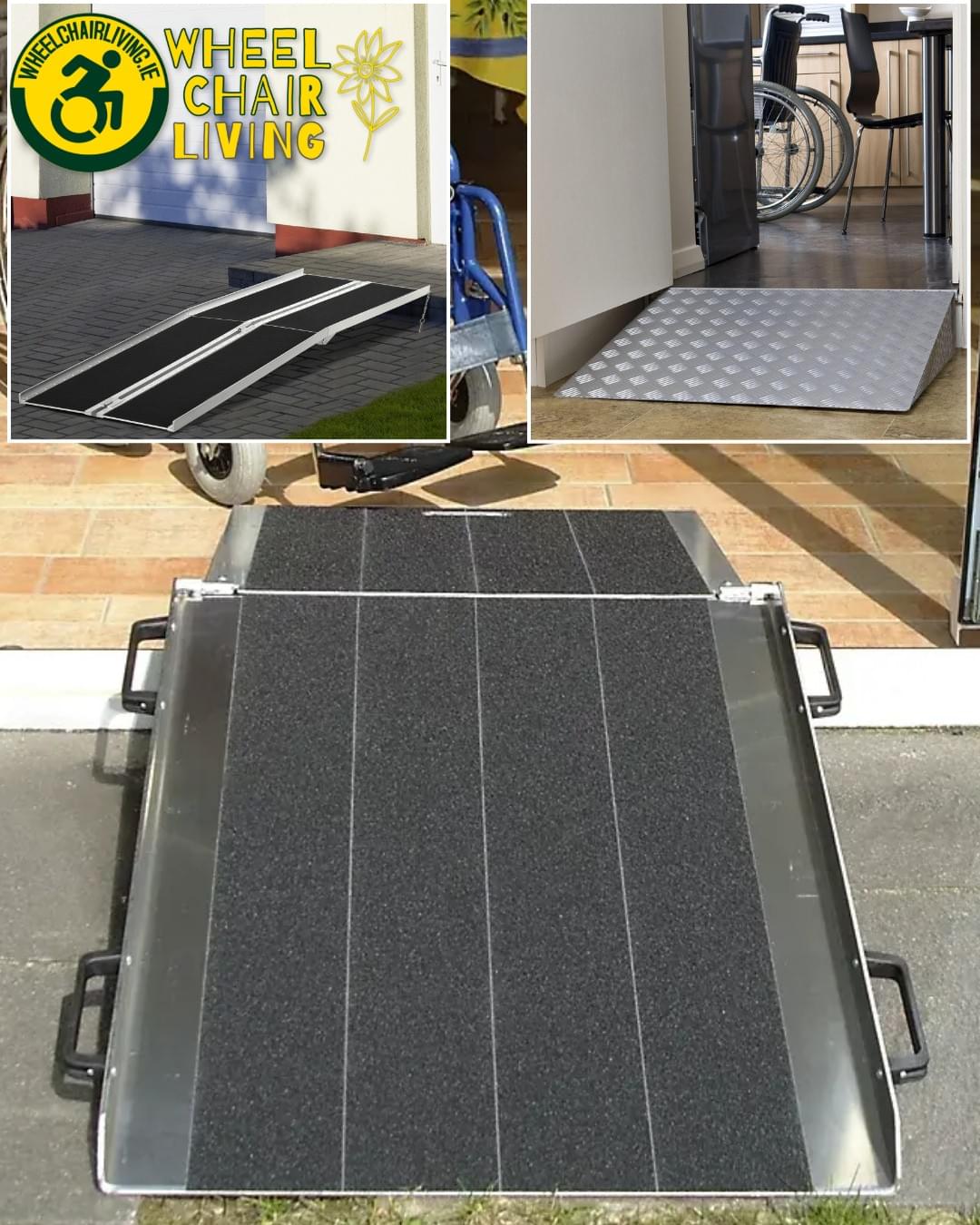
1. Install Ramps at Entry Points
Even a single step can be a barrier. Portable or semi-permanent ramps make entryways usable without major construction.
- Add ramps where there are steps or raised thresholds – Even small height changes can block access
- Use portable or modular ramps – Easy to install and adjust without major building work
- Ensure a gentle slope and stable surface – Makes pushing or driving safer and less tiring
- Choose non-slip materials – Improves grip in wet conditions
👉 A simple ramp can instantly make entrances safer, smoother, and fully accessible
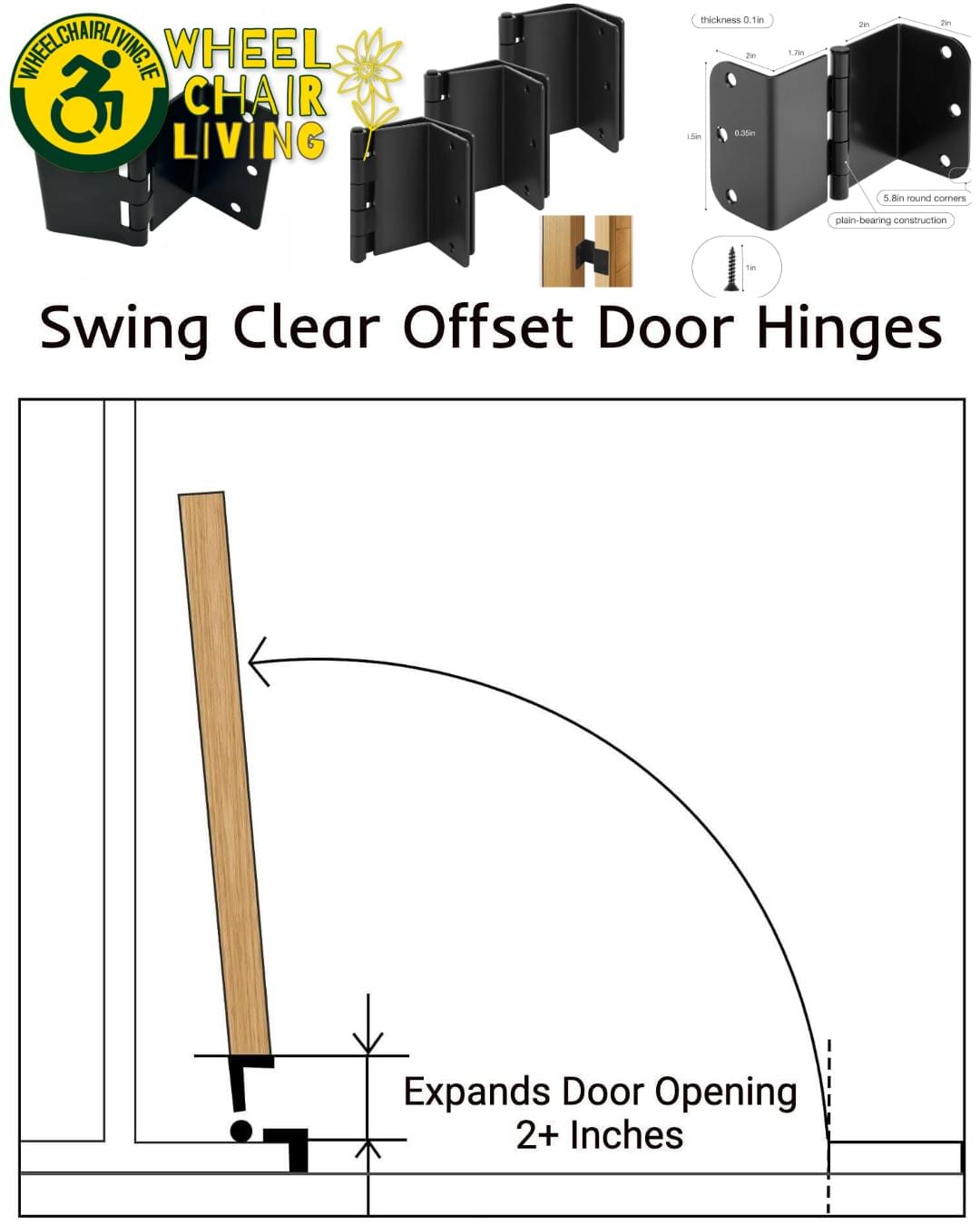
2. Widen Doorways (or Use Offset Hinges)
Standard doorways can be tight. Swing-clear (offset) hinges can add a few extra inches without needing to rebuild the frame.
- Use offset (swing-clear) hinges – Adds a few extra inches without major work
- Aim for wider clearance – Ideally ~80–90 cm (32–36 in) for easier access
- Remove door stops or trim if needed – Can create a bit more usable space
- Consider sliding or pocket doors – Great where space is tight
👉 Even small width gains can make a big difference in daily movement
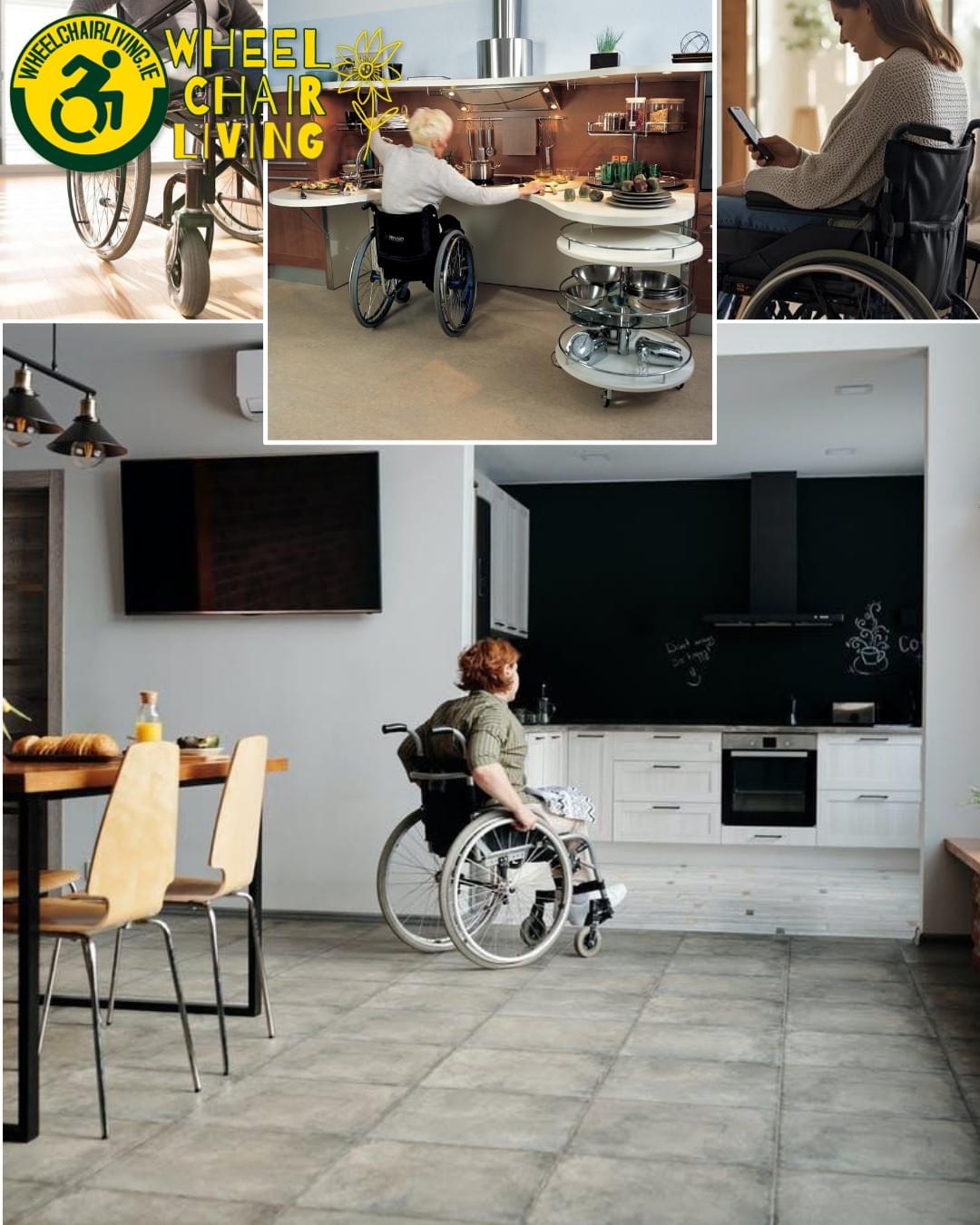
3. Rearrange Furniture for Clear Pathways
- Keep pathways wide and clear – Aim for ~150 cm (60 in) for comfortable movement
- Allow turning space – Leave room in key areas (living room, kitchen, bedroom) to turn easily
- Remove clutter and low obstacles – Cables, rugs, and small furniture can get in the way
- Position frequently used items nearby – Reduces unnecessary trips and effort
👉 A more open layout makes moving around smoother, safer, and less tiring
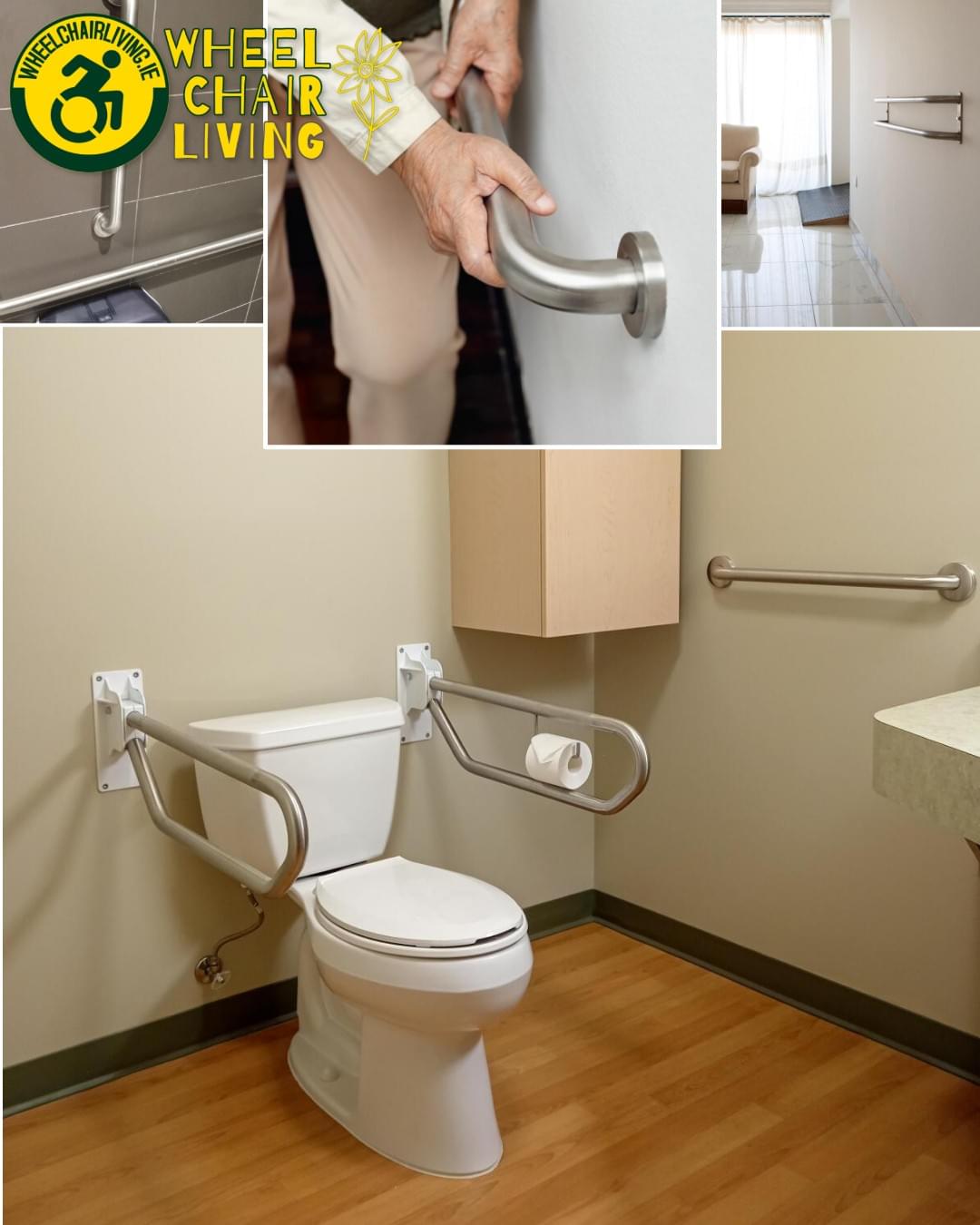
4. Install Grab Bars in Key Areas
Place them near toilets, showers, and beds to improve safety and independence.
- Place bars where transfers happen most – Near toilets, showers, and beds for extra support
- Choose sturdy, properly installed bars – Wall-mounted into studs (not suction) for safety
- Use different angles for better leverage – Horizontal for balance, angled for pushing up
- Position within easy reach from seated height – Reduces strain and awkward movement
👉 Well-placed grab bars make everyday movements safer and less tiring
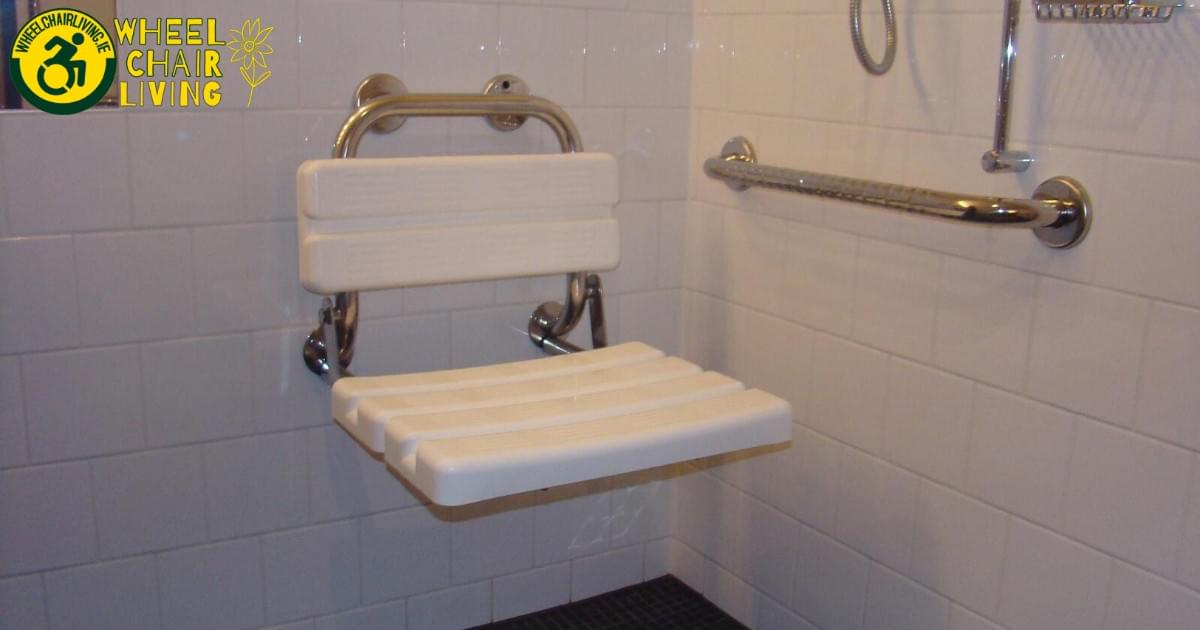
5. Install Roll-In Shower or Shower Chair
A no-threshold shower or sturdy shower chair can dramatically improve bathroom safety and ease.
- Choose a roll-in (no-threshold) shower – Allows direct access without lifting over a step
- Use a shower chair or fold-down seat – Reduces fatigue and improves safety while washing
- Add a handheld shower head – Easier to control direction and reach while seated
- Ensure non-slip flooring and good drainage – Helps prevent slips and keeps movement smooth
👉 A safer, easier shower setup saves energy and reduces risk every day
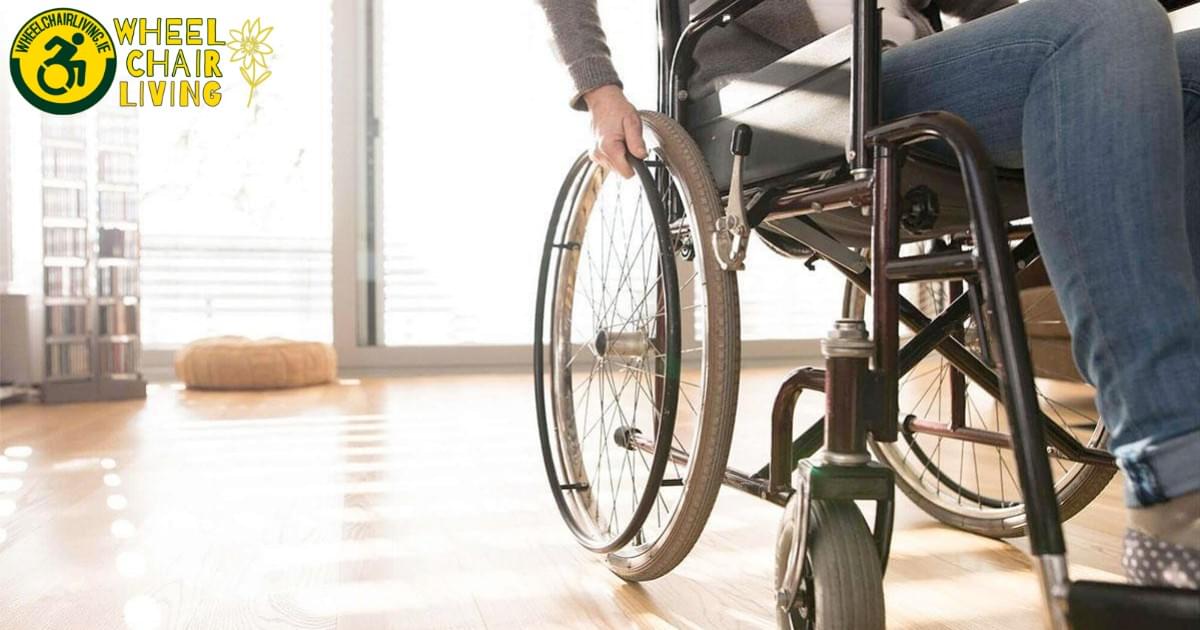
6. Improve Flooring for Smooth Movement
Thick carpets and uneven surfaces can slow movement. Opt for low-pile carpet, vinyl, or hardwood with smooth transitions.
- Choose smooth, hard flooring – Hardwood, laminate, or vinyl roll easier than thick carpet
- Use low-pile carpet if needed – Reduces resistance and effort
- Remove or smooth thresholds – Use transition strips to avoid bumps
- Keep surfaces even and non-slip – Improves safety and control
👉 Smoother floors = less push effort and less fatigue
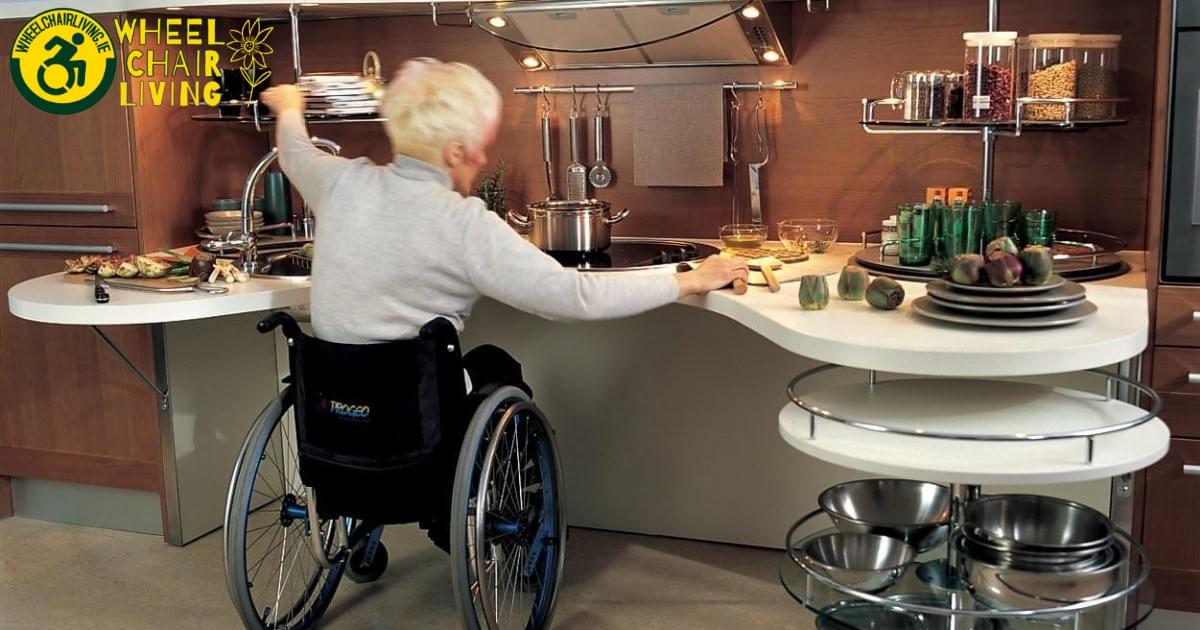
7. Adjust Countertop & Table Heights
Lowering sections of counters or adding knee clearance makes cooking and working more comfortable.
- Create knee clearance underneath surfaces – Open space under counters or desks lets you roll in closer, reducing reaching and shoulder strain
- Lower or vary surface heights – A slightly lower prep area or adjustable table makes everyday tasks like food prep, writing, or using a laptop much easier
- Use adjustable or portable solutions – Height-adjustable tables, lap trays, or pull-out work surfaces can give flexibility without major renovations
👉 Even one accessible surface can make daily tasks feel much more manageable
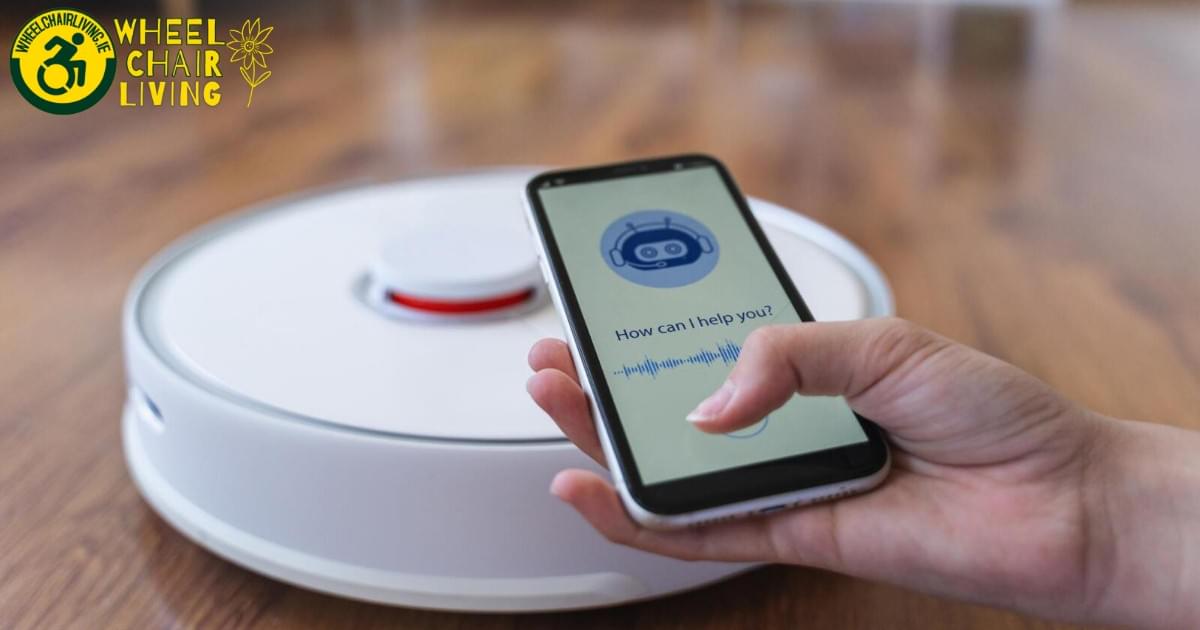
8. Use Smart Home Technology
Voice assistants and smart plugs allow control of lights, doors, and appliances without physical reach.
- Control your environment hands-free – Voice assistants or apps let you manage lights, heating, blinds, and appliances without reaching or moving across the room
- Reduce physical strain in daily routines – Smart plugs, door locks, and thermostats cut down on repetitive tasks that can add up to fatigue
- Increase independence and safety – Set routines (like lights turning on automatically at night) or use remote access for doors and cameras for extra peace of mind
👉 Even a couple of simple devices can noticeably reduce effort throughout the day
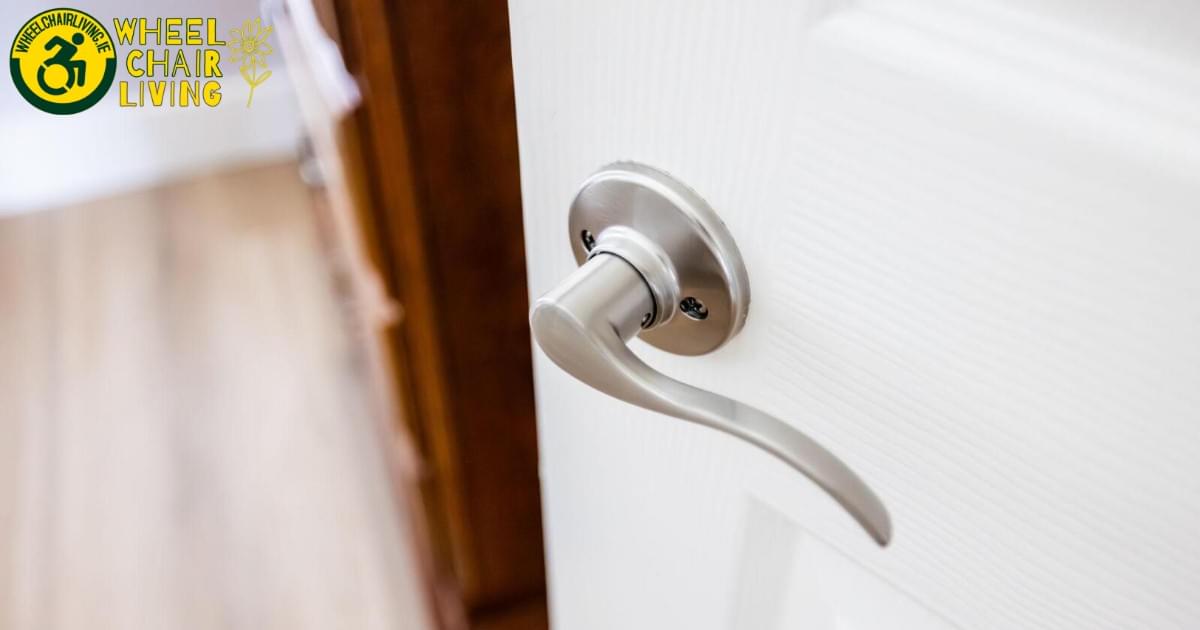
9. Use Lever-Style Door Handles
Why levers help
No tight grip needed — you can press down with your hand, wrist, forearm, or elbow
Better for limited dexterity, pain, or fatigue (e.g., arthritis or reduced hand strength)
Faster to use when moving through doors frequently
👉 This is one of those changes you feel every single day—especially when your hands are full or energy is low
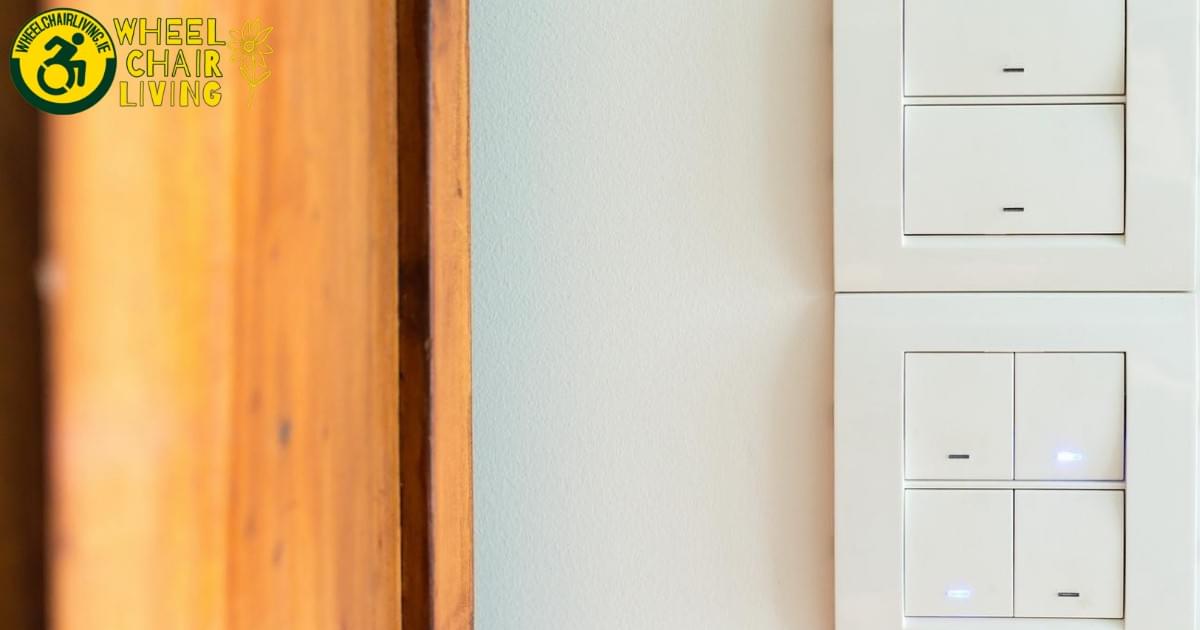
10. Lower Light Switches, Raise Electrical Plugs & Use Larger Controls
Repositioning and redesigning controls can reduce strain and improve independence.
- Lower light switches so they’re easy to reach from a seated position
- Raise electrical outlets to avoid bending or awkward reaching
- Install larger rocker-style switches instead of small toggles—they’re easier to press with your hand, elbow, or even limited dexterity
👉 Small change, big impact—especially for daily, repeated actions like turning lights on/off
