


Upcoming Events And Information Evenings

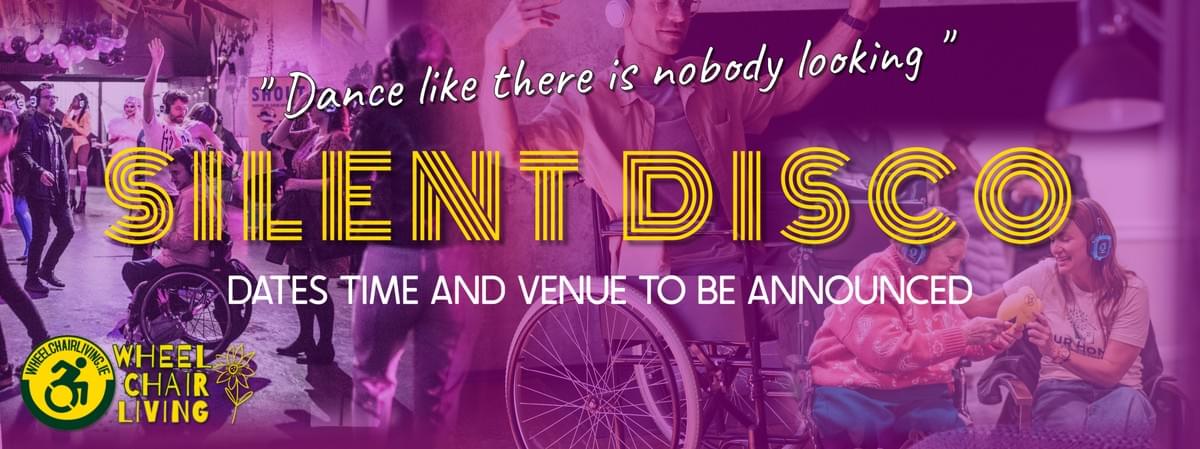
🎧 Benefits of Silent Discos for Wheelchair Users
Control Over Volume & Sensory Input
Wheelchair users who may also have sensory sensitivities, hearing differences, or medical devices (like cochlear implants) benefit from adjustable headphone volume.
They can avoid the overwhelming loudness of conventional club speakers
Freedom of Space
Traditional dance floors can be crowded near speakers, making navigation difficult.
Silent discos often spread across larger or unusual spaces (outdoors, museums, parks), allowing more room for wheelchairs to move comfortably.
Inclusivity in Participation
Everyone wears headphones, so there’s no pressure to be "in the middle of the crowd" to hear the music. Wheelchair users can join from wherever they feel comfortable and still have the same experience as others
Choice of Music Channels
Many silent discos offer multiple channels of music (e.g., pop, EDM, hip hop). This means wheelchair users—like anyone—can choose a style and tempo that matches their energy and physical comfort level.
Reduced Physical Strain
Without pounding bass vibrations shaking the floor, wheelchair users don’t have to deal with uncomfortable vibrations transmitted through their chair.
Improved Social Interaction
Since the environment is quieter without blasting speakers, it’s easier to talk to friends nearby. Wheelchair users don’t have to strain to communicate over loud music
Accessibility of Venue Options
Silent discos can happen almost anywhere: rooftops, libraries, outdoor parks. This flexibility means organizers can select spaces with better wheelchair accessibility compared to traditional nightclubs.
Lower Stigma or Exclusion
Everyone’s “dancing their own way” at a silent disco. That culture of freedom can feel more welcoming to wheelchair users who might otherwise feel spotlighted in typical clubbing environments.
👉 In short: silent discos make music and dancing more customizable, comfortable, and socially inclusive, which directly supports wheelchair users’ participation and enjoyment.

ACCESSIBLE EVERYDAY JOURNEYS INFORMATION EVENT
Accessible Journeys: Boost User Confidence, User Safety & Safe Travel Event
Event Description
“Accessible Journeys” is a community-focused event designed to empower wheelchair and mobility scooter users with the knowledge, skills, and confidence to travel safely in taxis and on public transport. Through live demonstrations, expert talks, and hands-on tips, attendees will learn practical strategies to make every journey smoother, safer, and more independent.
What to Expect:
User Tips & Advice
Practical advice from experienced wheelchair and scooter users on boarding, positioning, and parking mobility devices.
Safety Demonstrations
Transport staff and accessibility trainers showing correct tie-down procedures, seatbelt use, Chair and scooter positioning.
Taxi Access
How to book accessible vehicles, what rights passengers have, and demonstrations of safe entry and exit techniques.
Public Transport Practice
Buses and trains on-site (or simulated setups) for hands-on training in ramps, lifts, and navigating tight spaces.
Expert Q&A Sessions
Hear directly from transport authorities, advocacy groups, and mobility experts.
Community Connections
Meet other wheelchair and scooter users, share experiences, and discover local accessibility resources.
Who Should Attend:
Wheelchair and mobility scooter users (new and experienced)
Carers, families, and support workers
Taxi/public transport providers and drivers
Disability advocates and community members
Event Goals:
Build confidence for everyday travel
Improve safety awareness for passengers and providers
Strengthen collaboration between the disability community and transport services
Promote inclusivity and independence in public spaces
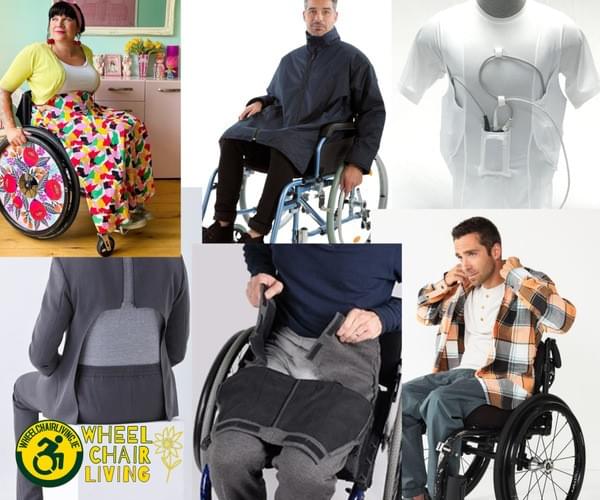
Showcasing Fashion & Function: Clothing Desgned for Both Style and Practicality
For many wheelchair users, clothing isn’t just about style—it’s about comfort, practicality, and confidence. Clothes designed for standing bodies don’t always work well for seated ones, which can lead to bunching, discomfort, or even skin issues. The good news? With a few smart choices and hacks, you can enjoy fashion that looks good and feels good.

1. Choose the Right Fabrics
Soft, breathable, and stretchy fabrics are your best friend. Look for cotton blends, bamboo fabrics, and materials with a bit of stretch (like elastane or spandex). Avoid bulky seams and stiff fabrics that can dig in when sitting for long periods.
Top Tip: Try smart leisure wear pieces (like yoga pants or joggers) that offer both style and stretch without looking too casual.

2. High Backs, Low Fronts
When sitting, waistbands and hems fit differently than they do when standing. Pants that sit too low in the back can slip, while ones that are too high in the front can bunch up.
Top Tip: Adaptive brands often make jeans and trousers with a higher rise in the back and a slightly lower cut in the front for all-day comfort.

3. Layer Smartly
Layers are great for regulating temperature, but too many bulky pieces can feel restrictive in a chair.
Top Tip: Try thin, insulating fabrics like merino wool for warmth without bulk, and opt for zip-up sweaters or jackets that are easier to put on and take off.
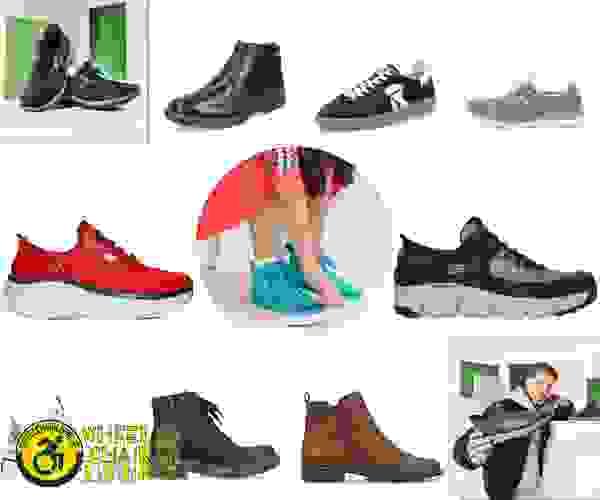
4. Footwear That Works for You
Shoes should be comfortable, supportive, and easy to slip on. If standing or walking isn’t part of your daily routine, prioritize weight and flexibility over heavy soles.
Top Tip: Elastic laces or slip-on trainers save time and reduce hand strain.
Fashion and comfort don’t need to be a trade-off. With the right fabrics, cuts, and adaptive features, wheelchair users can enjoy clothing that feels as good as it looks. Dressing well isn’t about following every trend—it’s about finding pieces that let you express your personality, move comfortably, and feel confident every day.
Because in the end, true style is about being yourself—comfortably.