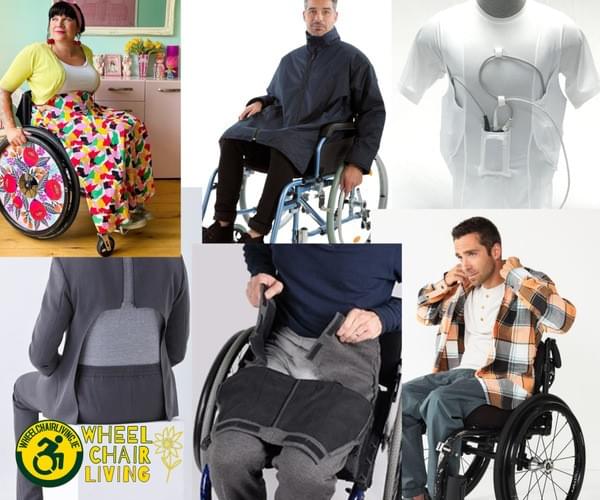


Fashion & Function: Clothing Made for Wheelchair and Mobility Comfort
Fashion and comfort should never be a compromise. With smart design, adaptive cuts, and feel-good fabrics, wheelchair users and anyone with mobility challenges can dress with ease and confidence. Because great style isn’t about chasing trends—it’s about owning your look, moving freely, and feeling unstoppable.
After all, true style starts with being yourself—comfortably.

1. Choose the Right Fabrics
Soft, breathable, and stretchy fabrics are your best friend. Look for cotton blends, bamboo fabrics, and materials with a bit of stretch (like elastane or spandex). Avoid bulky seams and stiff fabrics that can dig in when sitting for long periods.
Top Tip: Try smart leisure wear pieces (like yoga pants or joggers) that offer both style and stretch without looking too casual.
1. Choose the Right Fabrics
Soft, breathable, and stretchy fabrics are your best friend. Look for cotton blends, bamboo fabrics, and materials with a bit of stretch (like elastane or spandex). Avoid bulky seams and stiff fabrics that can dig in when sitting for long periods.
Top Tip: Try smart leisure wear pieces (like yoga pants or joggers) that offer both style and stretch without looking too casual.

2. High Backs, Low Fronts
When sitting, waistbands and hems fit differently than they do when standing. Pants that sit too low in the back can slip, while ones that are too high in the front can bunch up.
Top Tip: Adaptive brands often make jeans and trousers with a higher rise in the back and a slightly lower cut in the front for all-day comfort.

3. Layer Smartly
Layers are great for regulating temperature, but too many bulky pieces can feel restrictive in a chair.
Top Tip: Try thin, insulating fabrics like merino wool for warmth without bulk, and opt for zip-up sweaters or jackets that are easier to put on and take off.

4. Footwear That Works for You
Shoes should be comfortable, supportive, and easy to slip on. If standing or walking isn’t part of your daily routine, prioritize weight and flexibility over heavy soles.
Top Tip: Elastic laces or slip-on trainers save time and reduce hand strain.
Forget choosing between fashion and comfort—you deserve both. Adaptive designs, flexible fabrics, and modern cuts are redefining what it means to dress well. For wheelchair users and anyone with mobility challenges, style is no longer about fitting in—it’s about standing out with confidence.