

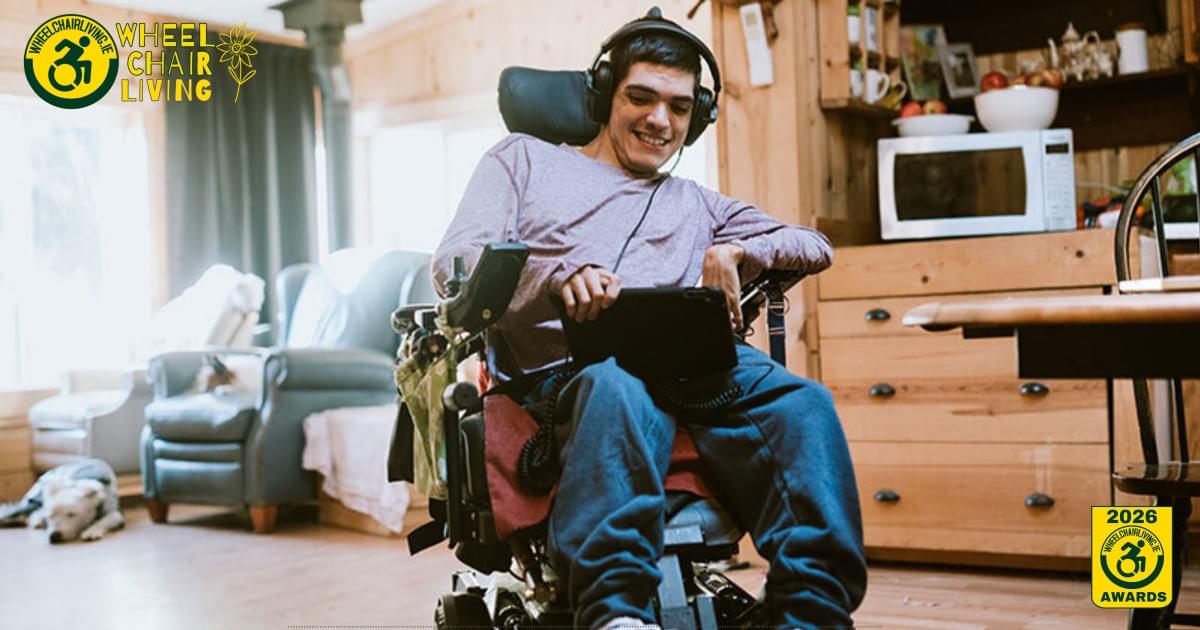
How simple everyday technology is changing life for wheelchair users and people with restricted mobility
Everyday technologies — smartphones, voice assistants, inexpensive smart-home devices, mainstream apps, and affordable wheelchair accessories — are giving many people with restricted mobility more independence, safety, social connection, and job opportunities. These tools don’t replace clinical assistive devices but often remove small daily barriers (turning on lights, calling a taxi, ordering shopping) that add up to big gains in quality of life
Simple everyday technologies and what they do

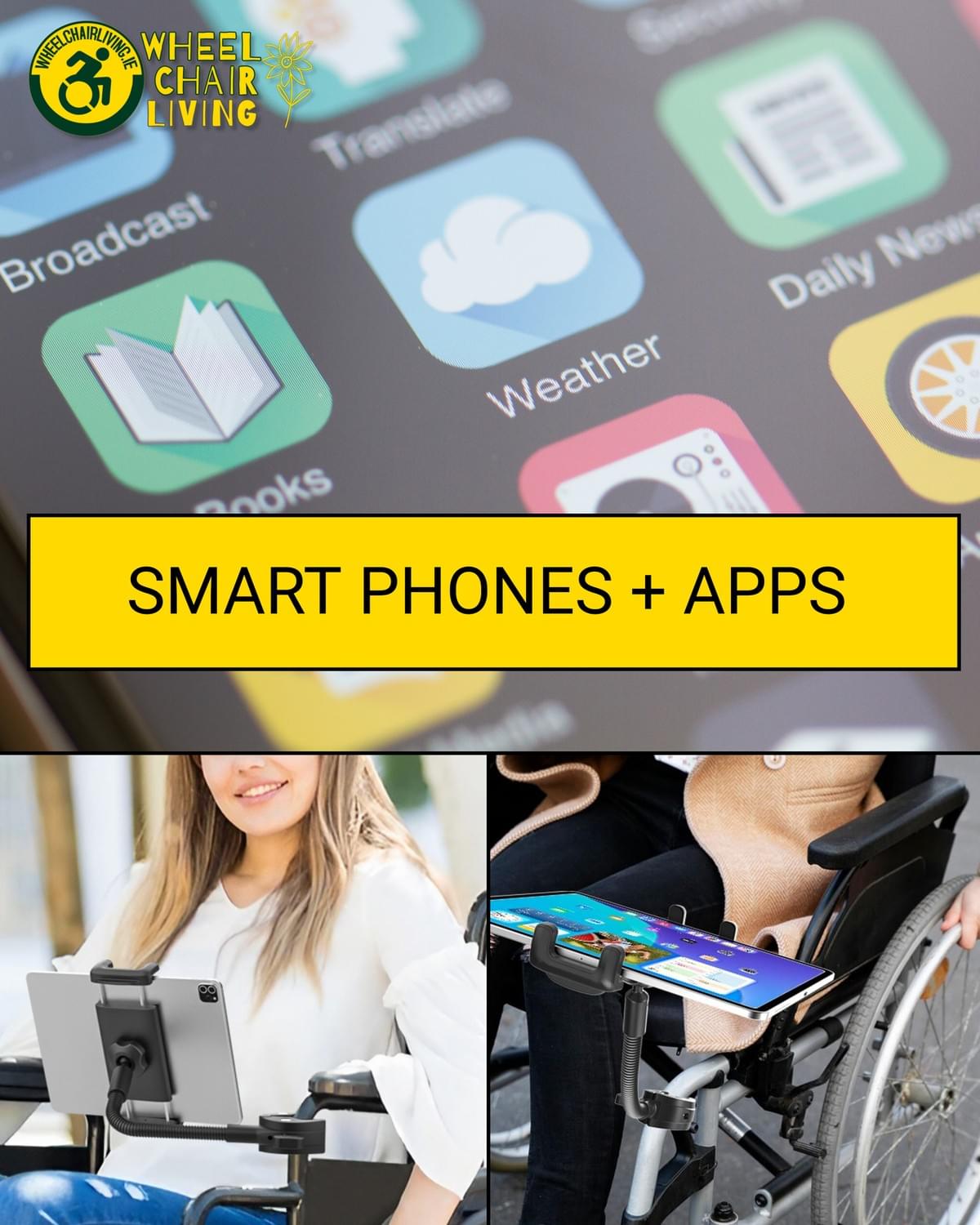
1. Smartphones + apps
Smartphones and tablets are hubs for communication, navigation, banking, booking transport, shopping, and health management. Accessible APPs feature (text to speech, magnification, smart home controls ) plus apps designed for low-mobility use, and they can reduce the need for in-person trips and enable remote work or medical consultations.

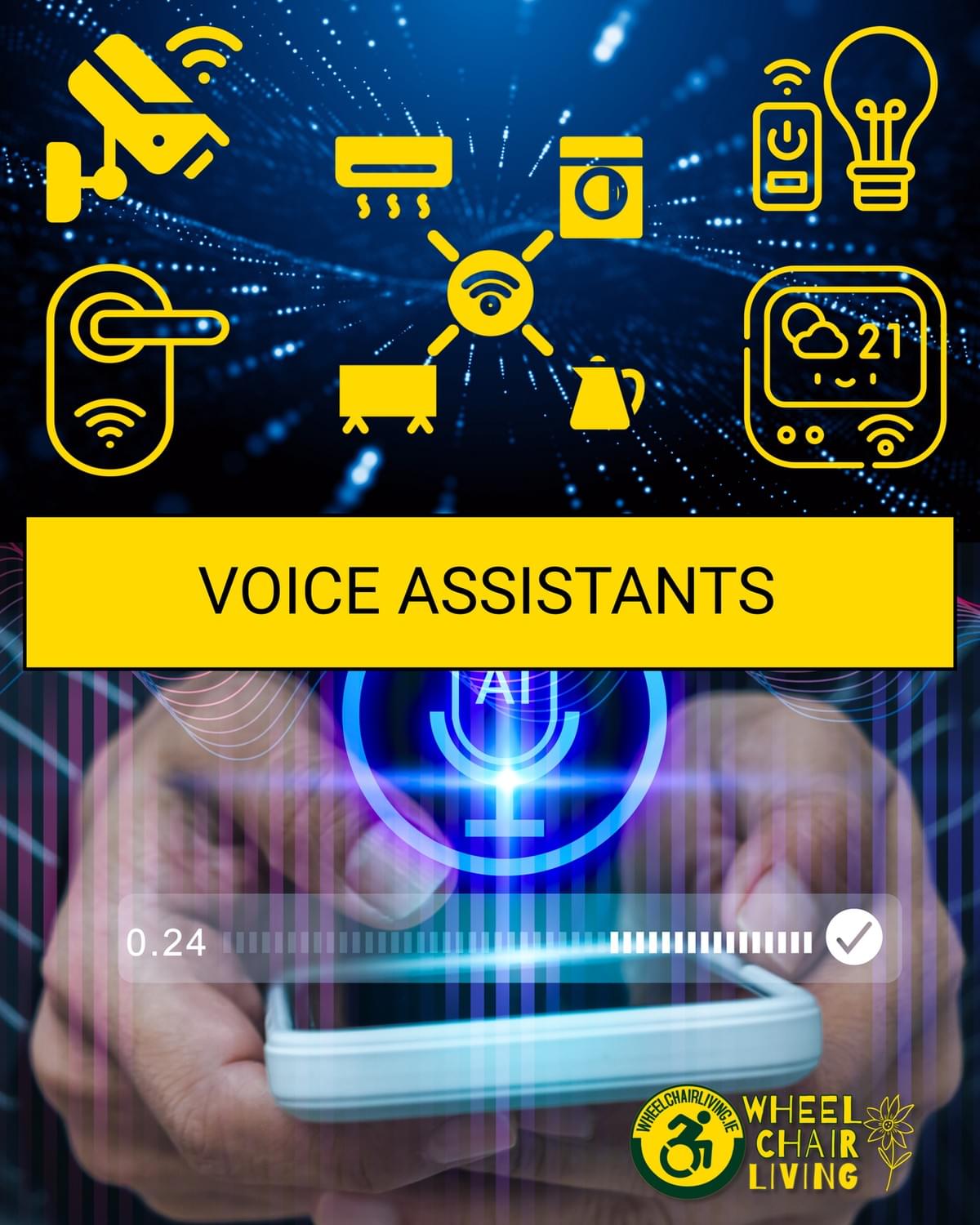
Voice assistants (Alexa, Google Assistant, Siri)
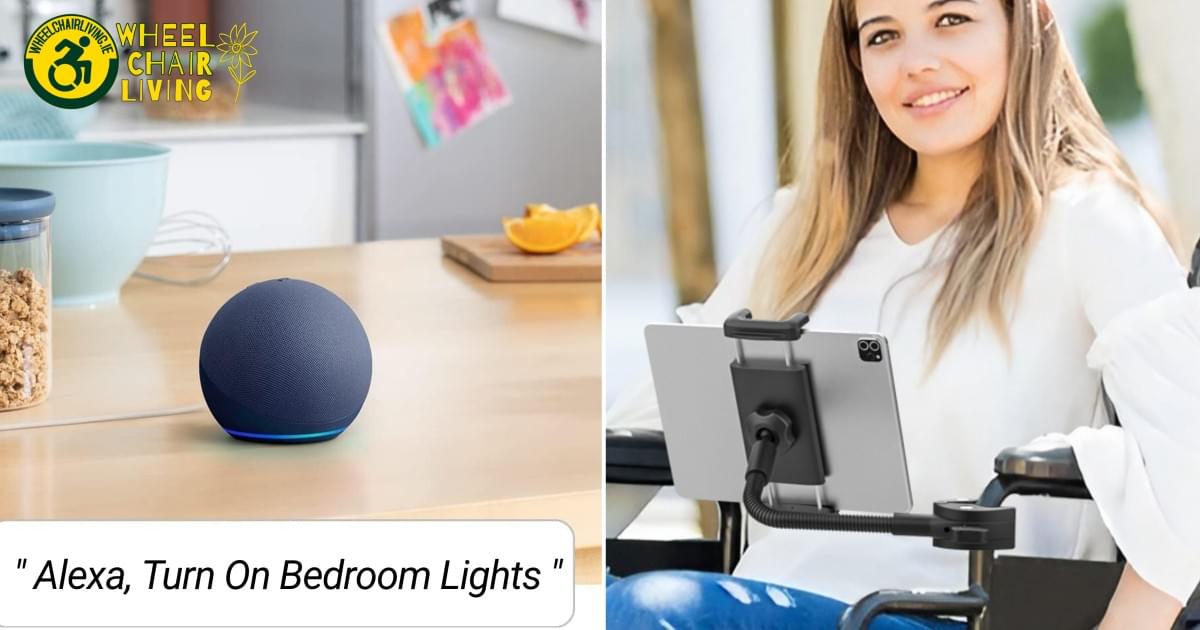
Voice control lets users operate lights, locks, media, call contacts, set reminders, or control appliances without physical reach or fine motor control — reducing dependence on caregivers for many routine tasks. Studies and reviews highlight significant usability and wellbeing benefits, especially for people with limited dexterity or endurance.

3. Off-the-shelf smart-home devices
Cheap smart plugs, smart bulbs, smart locks, plug-and-play sensors and timers let wheelchair users control environment (lighting, heating, appliances) via phone or voice. Research shows these mainstream devices, when configured with accessibility in mind, can increase autonomy and reduce physical strain.

4. Affordable mobility- friendly accessories
Low-cost mounts (for phones/tablets), adaptive switches, joystick extensions, and modular mounting systems make off-the-shelf tech physically usable from a seated position. Even simple grabbers or reacher tools combined with smart plugs reduce the number of physical transfers required.

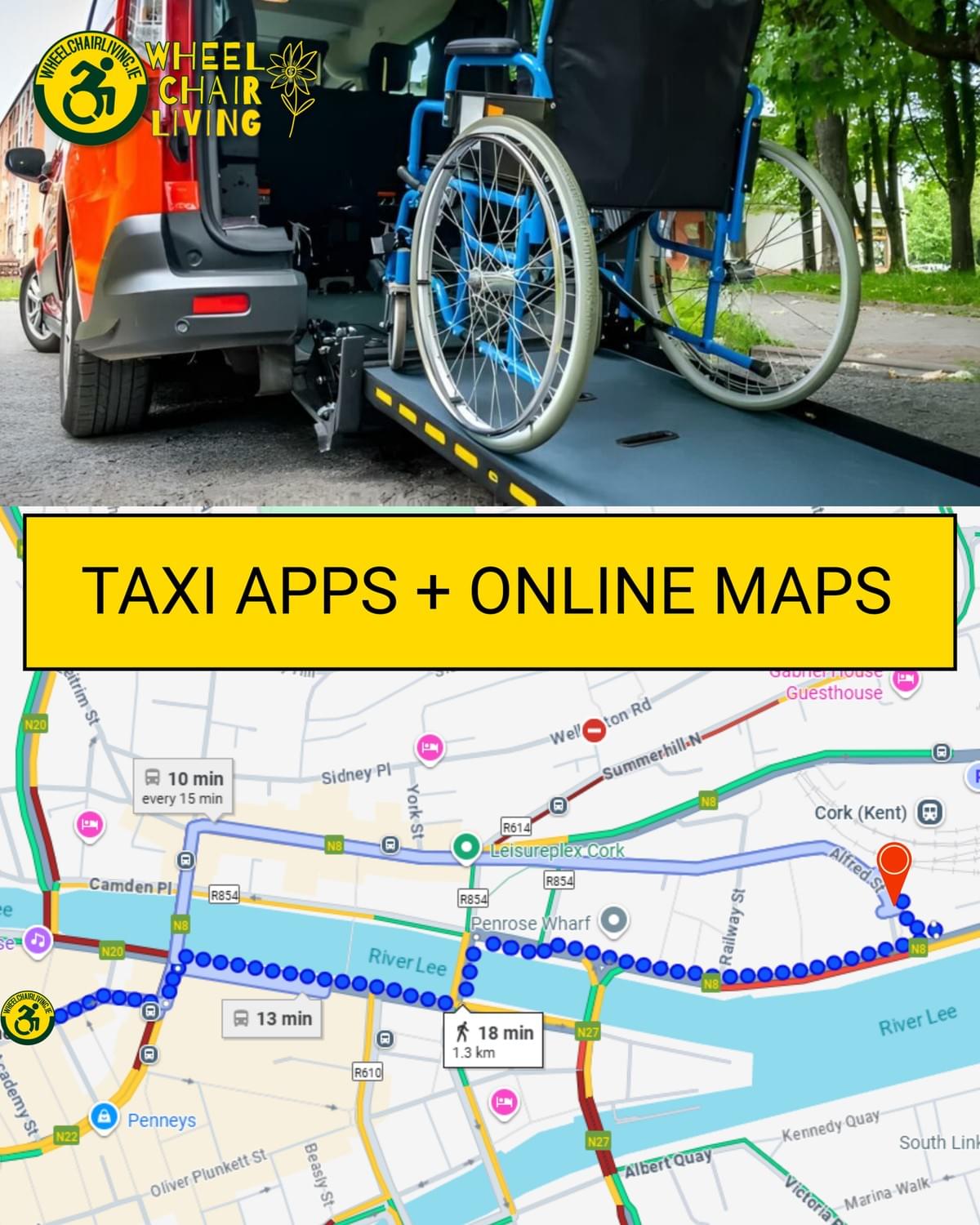
4. Taxi Apps - Online Mapping Navigation
Taxi apps and mapping/navigation tools for on street directions can increase independence — but the benefit is still difficult in practice because of availability, driver training, and an accessible vehicle shortage. Its improving but the Government need to do more to make sure Wheelchair Taxis are Available For Wheelchair Users, and not being abused by owners who claim the grants and Benefits, but Prioritise the Taxis to Work in General Circulation. Wheelchair Users First as Intended then General Circulation.

Start With a Little, It and it Will Help a Lot
- Start small: a smart bulb or smart plug + voice assistant can give large gains (lights, kettle, TV). Evidence shows mainstream smart-home tech can have measurable benefits when used.
- Phone mount + large-button apps make smartphones far more usable from a seated position.
- Use mainstream voice assistants for hands-free calling, reminders, shopping lists, and routines (e.g., “good morning” routine to turn on lights, turn on TV or Radio, turn on heating, boil the kettle).
- Explore low-cost power-assist add-ons for manual chairs or ask your occupational therapist about assistant controls to help navigate challenges with your companion
Simple, widely available technologies are perfect — but they are powerful, often low-cost tools that can help remove many everyday barriers for wheelchair users and people with restricted mobility. When paired with supportive policy, training, and attention to affordability and privacy, these everyday devices can help with independence, wellbeing, and participation in work and community life in meaningful ways